

Exploring Eco-Friendly Furniture Materials: A Path to Sustainable Living
In a world where every choice matters, the materials we select for our furniture shape not only our homes but also the planet’s future. I invite you to explore with me the realm of eco-friendly furniture materials. Together, we’ll uncover options that blend beauty, durability, and responsibility. This journey is about more than style - it’s about making mindful decisions that honour craftsmanship and reduce waste.
Embracing Eco-Friendly Furniture Materials
Choosing eco-friendly furniture materials means opting for resources that have a minimal environmental footprint. These materials often come from renewable sources, are biodegradable, or are recycled and repurposed. They help conserve natural resources and reduce pollution. Here are some standout options:
Bamboo: Fast-growing and incredibly strong, bamboo is a top choice. It regenerates quickly without needing pesticides or fertilisers. Its natural grain adds a warm, organic feel to any piece.
Reclaimed Wood: Salvaged from old buildings, barns, or furniture, reclaimed wood carries history and character. Using it prevents deforestation and gives new life to materials that might otherwise be discarded.
Cork: Harvested from the bark of cork oak trees without harming them, cork is renewable and biodegradable. It’s soft, lightweight, and offers excellent insulation.
Recycled Metal: Metals like aluminium and steel can be recycled endlessly without losing quality. Furniture made from recycled metal is sturdy and often features sleek, modern designs.
Organic Cotton and Hemp Fabrics: For upholstery, organic textiles grown without harmful chemicals support healthier ecosystems and indoor air quality.
These materials not only reduce environmental impact but also bring unique textures and stories into your living space.

The Benefits of Choosing Sustainable Furniture Materials
When you select sustainable furniture materials, you invest in more than just a product. You support a cycle of care and creativity that benefits the environment and your home. Here’s why it matters:
Lower Carbon Footprint: Sustainable materials often require less energy to produce and transport.
Durability and Longevity: Many eco-friendly materials are naturally resilient, meaning your furniture lasts longer and reduces waste.
Healthier Indoor Environment: Avoiding toxic chemicals and synthetic materials improves air quality and wellbeing.
Unique Aesthetic Appeal: Natural imperfections and textures create one-of-a-kind pieces that tell a story.
Support for Ethical Practices: Many sustainable materials come from sources committed to fair labour and environmental stewardship.
By choosing these materials, you contribute to a future where furniture is crafted with respect for nature and heritage.
What Type of Furniture Is the Most Sustainable?
Sustainability in furniture is not just about materials but also about design, production, and lifecycle. Some types of furniture naturally lend themselves to sustainability:
Upcycled and Restored Pieces: Breathing new life into old furniture reduces demand for new resources and preserves craftsmanship.
Modular Furniture: Designed to be adaptable and repairable, modular pieces extend usability and reduce waste.
Multi-Functional Furniture: Items that serve multiple purposes reduce the need for extra pieces, saving space and materials.
Locally Made Furniture: Supporting local artisans cuts down on transportation emissions and fosters community.
Among these, restored and upcycled furniture stands out as a beacon of sustainability. It honours the past while embracing the future, turning what was once discarded into something treasured.

Practical Tips for Choosing Eco-Friendly Furniture
Making sustainable choices can feel overwhelming, but it becomes easier with a few guiding principles:
Ask About Material Origins: Inquire if the wood is FSC-certified or if fabrics are organic.
Look for Certifications: Labels like FSC, GREENGUARD, or OEKO-TEX indicate responsible sourcing and low emissions.
Prioritise Quality Over Quantity: Invest in fewer, well-made pieces that last.
Consider Second-Hand and Vintage: Explore markets and studios specialising in restored furniture.
Choose Timeless Designs: Avoid trends that quickly go out of style to reduce turnover.
Maintain and Repair: Learn simple restoration skills or find local experts to extend your furniture’s life.
By following these steps, you create a home filled with meaningful, sustainable pieces that reflect your values.
Bringing Sustainable Furniture into Your Home
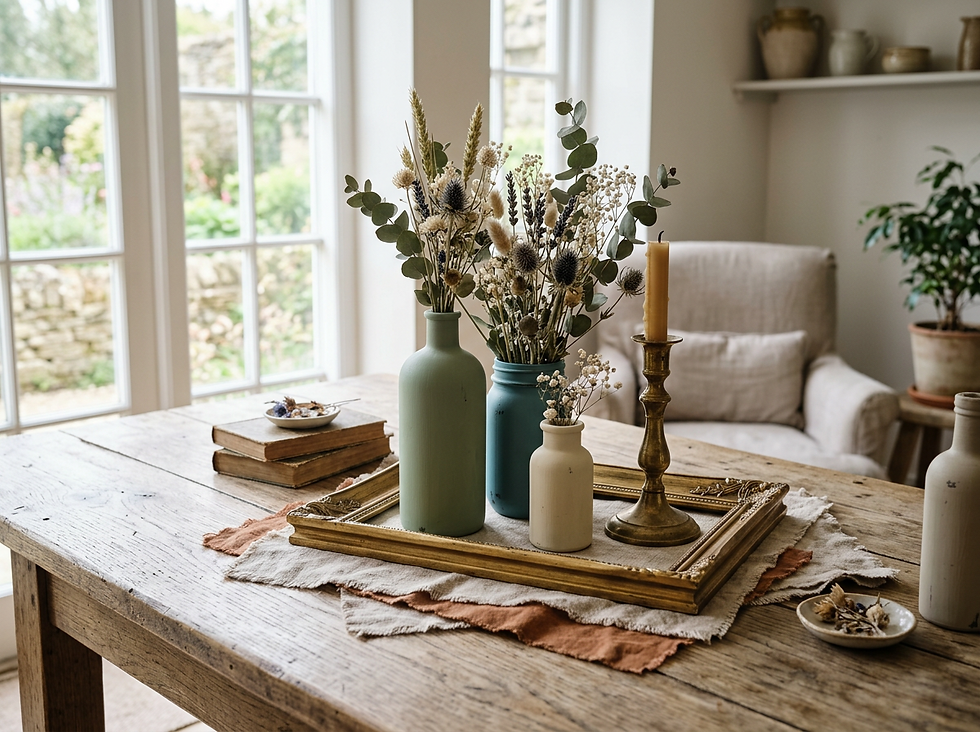
Integrating eco-friendly furniture materials into your living space is a rewarding experience. Start small - a reclaimed wood coffee table or a bamboo chair can transform a room. Mix textures and tones to create warmth and depth. Remember, every piece has a story and a purpose.
If you’re drawn to the charm of restored furniture, consider partnering with local studios that specialise in upcycling. They combine heritage craftsmanship with modern sensibilities, crafting pieces that are both beautiful and responsible. This approach reduces waste and celebrates the artistry of the past.
Explore options that fit your lifestyle and aesthetic. Whether you prefer sleek recycled metal or soft organic fabrics, there’s a sustainable choice waiting to enrich your home.
Choosing eco-friendly furniture materials is a step towards a more thoughtful, vibrant way of living. It’s about honouring the earth, cherishing craftsmanship, and creating spaces that inspire. Let your furniture tell a story of care, creativity, and hope.
For those seeking to deepen their commitment, exploring sustainable furniture materials offers a wealth of inspiration and practical solutions. Together, we can build homes that nurture both people and planet.


Comments