

Sustainable Materials for Modern Furniture: Embracing Eco-Friendly Furniture Materials
In a world where every choice matters, the materials we select for our furniture shape not only our homes but also the planet. I find myself drawn to pieces that tell a story - crafted with care, mindful of the earth, and designed to last. Sustainable materials for modern furniture offer a path to beauty and responsibility. They invite us to rethink how we furnish our spaces, blending style with conscience.
The Rise of Eco-Friendly Furniture Materials
Eco-friendly furniture materials are no longer niche. They are becoming the heartbeat of modern design. These materials reduce environmental impact, conserve resources, and often bring a unique character to each piece. From reclaimed wood to innovative bioplastics, the options are diverse and exciting.
Why choose eco-friendly materials?
They reduce waste by repurposing existing resources.
They lower carbon footprints through sustainable harvesting or production.
They often avoid harmful chemicals, promoting healthier indoor air quality.
They support ethical practices and local craftsmanship.
For example, reclaimed wood sourced from old buildings or fallen trees carries history within its grains. It transforms into stunning furniture that honours the past while serving the present. Bamboo, a fast-growing grass, offers a renewable alternative to traditional hardwoods. Its strength and flexibility make it perfect for chairs, tables, and flooring.
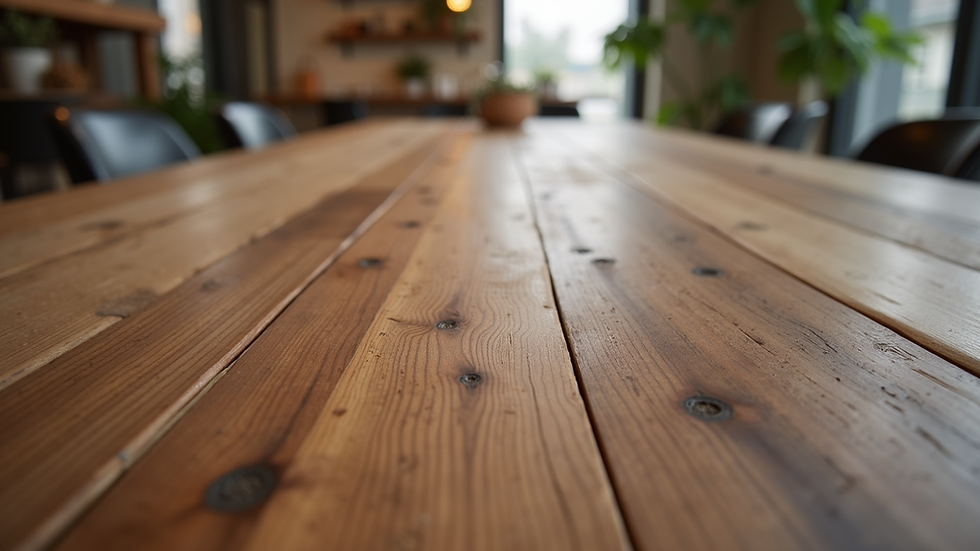
Reclaimed wood brings warmth and history to modern furniture.
Exploring Sustainable Furniture Materials
When I explore sustainable furniture materials, I look for those that balance durability, aesthetics, and environmental responsibility. Here are some of the most promising options:
1. Reclaimed and Salvaged Wood
Using wood that has already served a purpose saves trees and reduces landfill waste. It often features unique textures and colours that new wood cannot replicate. Each piece is a conversation starter.
2. Bamboo
Bamboo grows rapidly and requires minimal pesticides or fertilisers. It regenerates quickly after harvesting, making it a highly renewable resource. Its natural beauty and strength make it ideal for everything from flooring to furniture frames.
3. Cork
Harvested from the bark of cork oak trees without harming them, cork is renewable and biodegradable. It offers a soft, warm texture perfect for chair seats, flooring, and decorative accents.
4. Recycled Metal
Metals like aluminium and steel can be recycled repeatedly without losing quality. Using recycled metal reduces mining impacts and energy consumption. It adds a sleek, industrial edge to furniture designs.
5. Natural Fibres and Fabrics
Materials such as organic cotton, hemp, and wool are biodegradable and often grown without harmful chemicals. They provide comfort and style for upholstery and cushions.
6. Bioplastics and Plant-Based Composites
Innovations in bioplastics made from cornstarch, sugarcane, or algae offer alternatives to petroleum-based plastics. These materials are compostable or recyclable, reducing plastic pollution.
By choosing these materials, I help create furniture that respects nature and lasts for generations.
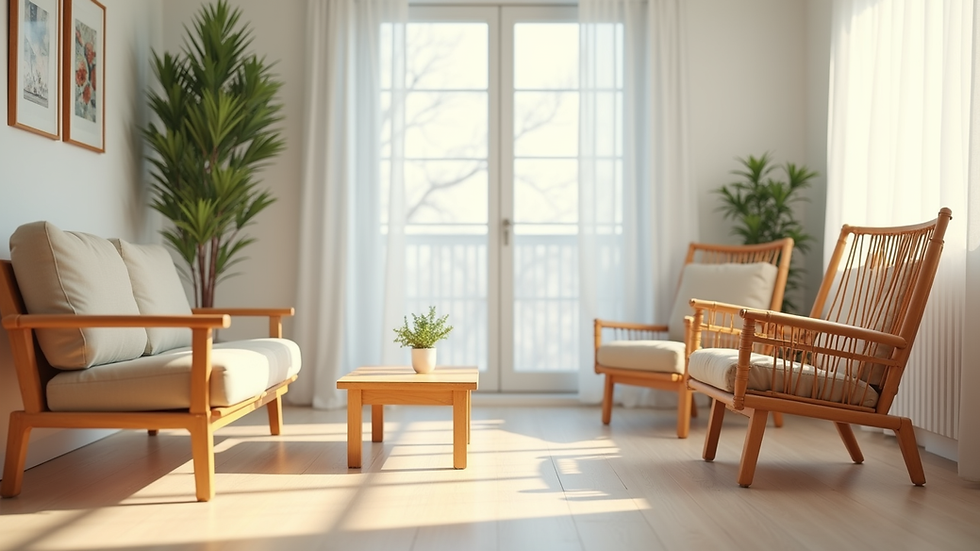
Bamboo furniture combines sustainability with elegant design.
What Type of Furniture Is the Most Sustainable?
Sustainability in furniture goes beyond materials. It also depends on design, production, and longevity. Some furniture types naturally lend themselves to sustainability more than others.
Timeless Design
Furniture with classic, timeless designs avoids the trap of fast trends. Pieces that remain stylish for decades reduce the need for replacement and waste.
Modular and Multi-Functional Pieces
Furniture that adapts to different needs or spaces extends its usefulness. Think of a sofa that converts into a guest bed or shelving units that can be rearranged.
Locally Made and Handcrafted
Supporting local artisans reduces transportation emissions and fosters community. Handcrafted furniture often uses traditional techniques that minimise waste and celebrate heritage.
Upcycled and Restored Furniture
Giving old furniture a second chance is one of the most sustainable choices. Restoration preserves craftsmanship and materials, preventing perfectly good pieces from ending up in landfill.
Durable and Repairable
Furniture built to last and easy to repair encourages long-term use. Avoiding disposable or cheaply made items reduces environmental impact.
In my experience, investing in well-made, versatile, and lovingly restored furniture creates a home filled with character and conscience.
How to Identify Truly Sustainable Furniture
Navigating the world of sustainable furniture can feel overwhelming. Here are practical tips to help you make informed choices:
Ask about the source: Where does the material come from? Is it certified by recognised organisations like FSC (Forest Stewardship Council)?
Check for certifications: Look for eco-labels that verify sustainable practices and non-toxic finishes.
Consider the manufacturing process: Does the maker use renewable energy or minimise waste?
Prioritise local craftsmanship: Buying locally reduces carbon footprint and supports skilled artisans.
Think long term: Choose pieces that can be repaired, reupholstered, or repurposed.
Avoid harmful chemicals: Opt for natural finishes and fabrics free from VOCs (volatile organic compounds).
By following these steps, you ensure your furniture aligns with your values and contributes to a healthier planet.
Bringing Sustainable Furniture into Your Home
Integrating sustainable furniture materials into your living space is a joyful journey. Here are some ideas to get started:
Mix old and new: Combine restored vintage pieces with modern eco-friendly designs for a unique look.
Focus on key pieces: Invest in a sustainable sofa, dining table, or bed that anchors your room.
Add natural textiles: Use cushions, throws, and rugs made from organic fibres to complement your furniture.
Create a green corner: Pair sustainable furniture with indoor plants to enhance air quality and wellbeing.
Support local studios: Seek out workshops and artisans who specialise in upcycled and sustainable furniture.
Each choice you make sends a message - that beauty and responsibility can coexist.
Choosing sustainable furniture materials is more than a trend. It is a commitment to a better future. It honours craftsmanship, reduces waste, and invites nature into our homes. As I continue to explore and share these materials, I hope you feel inspired to bring their warmth and wisdom into your own space. Together, we can create homes that tell stories of care, creativity, and sustainability.


Comments